
On Wednesday, CNBC posted the inflation numbers for September.
They report:
- The consumer price index showed annual inflation of 3.7% in September after rising 0.6% for the month, the Bureau of Labor Statistics reported Wednesday.
- The Core CPI, which strips out food and energy, posted an annual reading of 2.6% after climbing 0.3%.
- Energy prices were a major factor again as gasoline rose 9.1% and accounted for half the increase in the index.
- However, price pressures were broad-based, with gains in shelter, vehicle costs and apparel.
For the sake of comparison, a friend posted the following Inflation Chart on Facebook:
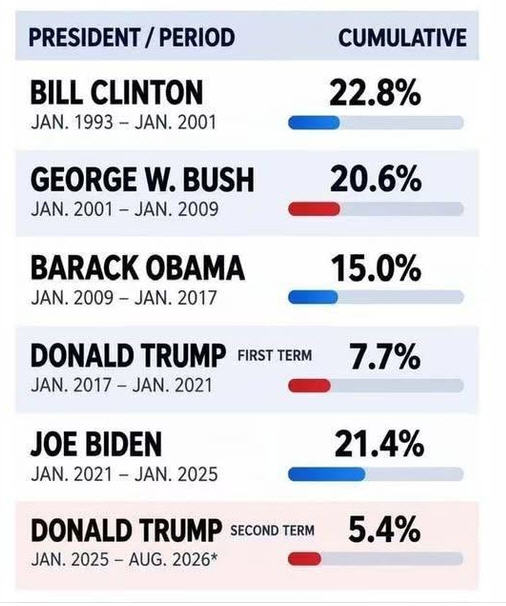
Part of the problem with inflation is that it is cumulative. Once prices go up, they somehow never go down. To give you an example, my husband and I paid about $19,000 for our first house in 1969. According to AI, $19,000 in 1969 equals $173,437.35 in 2026. According to Zillow, that house is now worth $436,300, putting it out of reach for many families.
The article at CNBC concludes:
The type of supply shocks that have driven the energy surge generally are considered temporary, and policymakers often will look through them when considering where to set rates. However, Fed officials fear that the longer the war drags on, the higher the likelihood that the spike will make its way through the broader economy and become embedded in consumer and business expectations.
Prices also have faced pressure from President Donald Trump’s tariffs as well as demand for goods associated with the artificial intelligence build-out.
In recent days, a number of key policymakers have expressed the belief that the Fed doesn’t need to rush to implement another hike. However, most say they expect another increase this year. Market pricing implies the Fed could raise rates at least twice more in 2027.
Fed officials follow the CPI and a host of other metrics but use the Commerce Department’s personal consumption expenditures price index as their primary forecast and policymaking metric. The PCE numbers for September won’t be released until later this month.
A number of economists are opposed to President Trump’s tariffs. However, they tend to overlook the fact that manufacturing is coming back to America as a result of those tariffs. I expect that the benefits of the tariffs will not be instant, but will make themselves known in the next year or two. Hopefully there are enough Americans who understand that to keep the tariffs in place.